
How Routine Pest Control Helps Prevent Major Infestations
Routine pest control by local service providers helps prevent major infestations by regularly reducing pest populations before they become severe.
Understanding how routine pest control helps prevent major infestations is essential for property owners seeking to protect their homes and businesses. Regular pest management services provided by local contractors can address early signs of pest activity before they escalate into larger problems. By establishing a consistent treatment schedule, property owners can reduce the likelihood of pests establishing themselves and causing significant damage or health concerns, making ongoing prevention a practical and effective strategy.
For those living in areas prone to pest issues, exploring routine pest control options offers a proactive approach to safeguarding property. Local service providers are equipped to identify potential vulnerabilities and implement targeted treatments that keep pests at bay. Keeping up with routine pest control not only helps prevent major infestations but also provides peace of mind, knowing that experienced professionals are working to maintain a pest-free environment. Keep reading to learn more about how these services can benefit property owners in the community.
- Routine pest control - homeowners noticing early signs of pests may seek regular services to prevent larger infestations.
- Preventative pest management - property owners aiming to protect their homes from future pest issues often rely on local contractors for ongoing treatments.
- Seasonal pest control - during peak pest activity periods, residents may contact service providers to keep pests from establishing colonies.
- Maintenance pest treatments - those with ongoing pest problems may turn to local pros for routine visits that help keep infestations at bay.
- Pre-infestation inspections - property managers and homeowners interested in avoiding major pest issues often schedule regular inspections with local service providers.

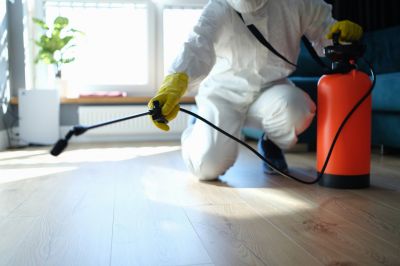
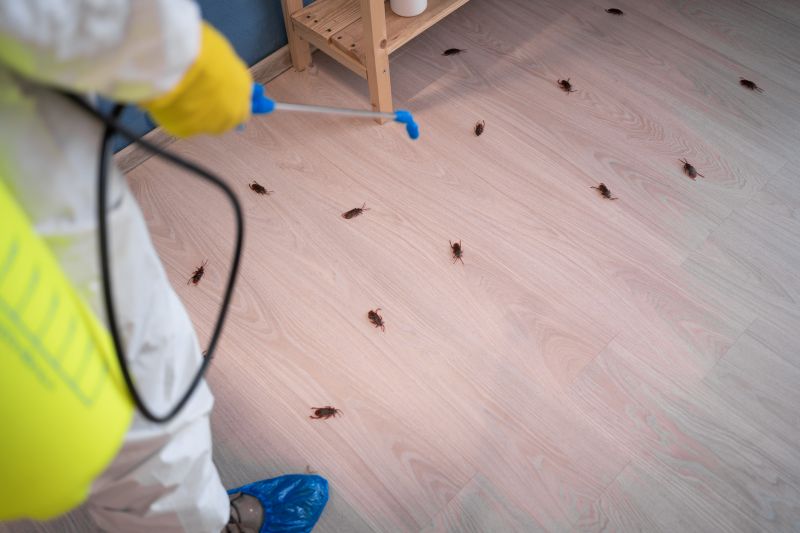
When people search for how routine pest control helps prevent major infestations, they often want to understand the importance of regular maintenance in keeping pests at bay. This topic typically relates to ongoing pest management plans that aim to reduce the likelihood of pests establishing themselves in a property before problems become severe. Homeowners may be concerned about common pests such as ants, cockroaches, spiders, or rodents, and how consistent treatments can help keep these nuisances from developing into full-blown infestations. Routine pest control is seen as a proactive approach that addresses pest activity early, preventing the damage, health risks, and inconvenience associated with larger infestations.
The problems connected to neglecting routine pest control often involve pest populations reaching a level where they cause visible damage, create health hazards, or become difficult to eliminate. Major infestations can threaten the structural integrity of a home, contaminate food supplies, or trigger allergic reactions and other health issues. Many property owners plan pest control services as part of their overall property maintenance, recognizing that consistent treatments help disrupt pest life cycles and prevent populations from growing unchecked. This approach is especially relevant for properties that are in areas prone to pest activity or have conditions that attract pests, such as cluttered yards, open entry points, or food storage areas.
Properties that commonly come up in discussions about routine pest control include single-family homes, apartment complexes, and small commercial buildings. Homes with yards, gardens, or other outdoor spaces often benefit from regular treatments to prevent pests from migrating indoors. Multi-unit residential buildings and businesses like restaurants or grocery stores also rely on routine pest control to maintain hygiene standards and prevent infestations that could impact their operations. Regardless of property type, the goal is to establish a barrier that keeps pests from gaining entry and multiplying, making ongoing pest management an essential part of property upkeep.
Local service providers who specialize in routine pest control play a key role in helping property owners stay ahead of pest problems. These professionals assess the specific needs of each property, identify potential entry points or attractants, and develop customized treatment plans. By scheduling regular visits, they can monitor pest activity, apply treatments at critical times, and provide advice on reducing attractants. For homeowners, working with local pros ensures that pest prevention is integrated into their routine maintenance, reducing the risk of major infestations and the costly consequences that come with them. This proactive approach helps maintain a pest-free environment and supports long-term property health.
Pest inspection services - these projects involve thorough inspections to identify early signs of pest activity, helping prevent major infestations through timely intervention.
Rodent proofing projects - local contractors focus on sealing entry points and installing barriers, which are essential skills for reducing pest entry points and avoiding large infestations.
Drain and sewer maintenance - maintaining and cleaning drains can prevent pest habitats, such as cockroaches and drain flies, that can lead to widespread problems if unchecked.
Landscape and yard cleanup - clearing debris and managing vegetation helps eliminate pest harborage areas, supporting the prevention of infestations before they start.
Structural repairs and sealing - fixing cracks and gaps in buildings is a key part of pest prevention, requiring planning and skills similar to routine pest control efforts.
Bird and animal exclusion projects - installing barriers and deterrents to keep pests like birds and rodents from nesting around structures aligns with pest prevention strategies.
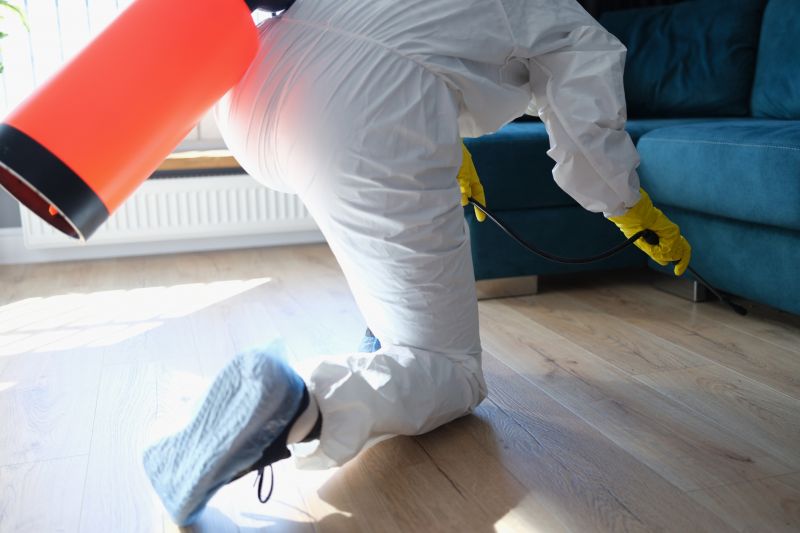
When comparing local contractors for routine pest control services, it is important to consider their experience with similar projects. Homeowners should inquire about how long a service provider has been performing pest control in the area and whether they have handled properties with similar needs or pest challenges. An experienced contractor is more likely to understand the common pests in the region and implement effective prevention strategies that help stop infestations before they start, ensuring the home remains protected over time.
Clear, written expectations are essential when evaluating potential service providers. Homeowners should seek detailed information about what the routine pest control service includes, such as the frequency of treatments, areas covered, and any preparations needed beforehand. Having these expectations documented helps prevent misunderstandings and ensures that both parties are aligned on the scope of work, which is crucial for maintaining ongoing pest prevention and avoiding major infestations.
Reputable references and good communication are key factors in selecting a reliable local contractor. Homeowners can ask for references from previous clients or look for reviews that highlight consistent performance and professionalism. Additionally, service providers who communicate clearly and promptly about their methods, scheduling, and any concerns demonstrate a commitment to customer service. This transparency and responsiveness make it easier to work together effectively, ultimately supporting the goal of preventing major pest issues through routine treatments.
Property owners often search for how routine pest control helps prevent major infestations when they are planning practical projects around their homes and businesses. Local pros provide Routine Pest Control services for everyday jobs and straightforward project options.

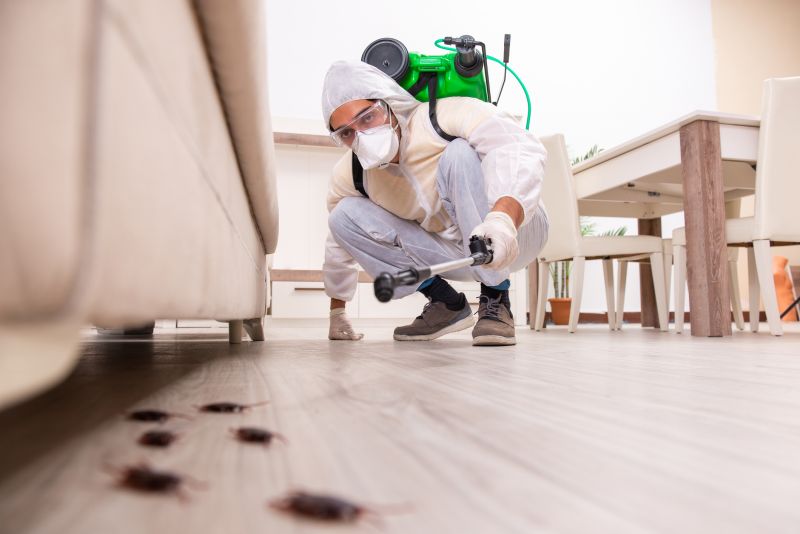
Routine pest control is an essential part of maintaining a pest-free property, especially for homeowners and property managers concerned about preventing larger infestations. Regular visits from local contractors can help identify early signs of pest activity, allowing for targeted treatments before problems escalate. This proactive approach not only helps protect the home’s structure and belongings but also reduces the likelihood of pests spreading to neighboring properties, making it a practical choice for those seeking ongoing pest management.
Many property owners look up information on routine pest control because they want to avoid the inconvenience and potential damage caused by major infestations. Engaging with experienced service providers ensures that pests such as ants, spiders, or rodents are kept in check through scheduled treatments and inspections. This consistent maintenance can be an effective way to stay ahead of pests, saving time and effort while maintaining a comfortable, pest-free environment.
How does routine pest control help prevent major infestations? Routine pest control services regularly target pests before they become a problem, reducing the risk of large-scale infestations by addressing potential entry points and nesting sites early.
Why is ongoing pest management important for infestation prevention? Ongoing pest management maintains a barrier against pests, ensuring that populations do not grow unchecked and helping to catch early signs of activity before they develop into major issues.
Can routine pest control identify pest problems early? Yes, local contractors conducting routine treatments can detect early signs of pest activity, allowing for prompt action to prevent an infestation from escalating.
What role do pest control treatments play in preventing infestations? Regular treatments disrupt pest life cycles and eliminate existing pests, which helps prevent new infestations from establishing and spreading within a property.
How do local service providers help maintain pest-free environments? By implementing consistent pest control schedules, local contractors help keep pests at bay, reducing the likelihood of major infestations and protecting property health.
Regular inspections - routine pest control includes scheduled inspections that help identify early signs of pest activity before an infestation develops.
Preventative treatments - local contractors can apply preventative measures around the property to create barriers against pests entering the space.
Education on pest-proofing - service providers often advise on simple steps to reduce attractants and entry points within the home or business.
Ongoing monitoring - consistent pest control services ensure ongoing surveillance, catching potential issues early and maintaining a pest-free environment.
If you are thinking about how routine pest control helps prevent major infestations for a property, this guide is meant to help you understand this topic, the typical project types, and how different options might fit your plans.
When you are ready, you can use the quote form on this page to share a few details about your project. From there, local pros can review the basics and follow up with options that match what you have in mind.